
Introduction
Managing money used to require notebooks, spreadsheets, bank visits, and constant mental tracking of expenses. Today, financial applications have changed how individuals organize, monitor, and improve their finances. These tools bring budgeting, saving, investing, and bill tracking into one accessible platform, allowing users to make informed decisions without needing advanced financial knowledge.
Financial applications help people gain clarity about their spending patterns, reduce unnecessary expenses, and build healthier saving habits. As digital technology continues to evolve, these applications are becoming smarter, more secure, and more personalized, making personal money management easier than ever before.
This article explains how financial applications simplify personal money management, highlights their key features, explores their benefits, and discusses how they are shaping modern financial habits.
Understanding Financial Applications
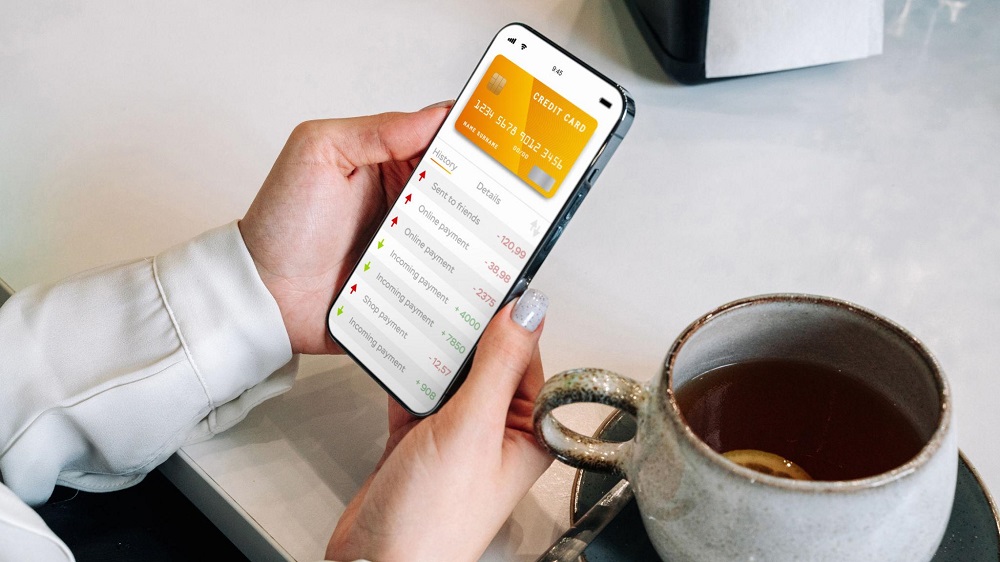
Financial applications are software programs designed to help users manage their money efficiently through digital devices such as smartphones, tablets, and computers. They connect with bank accounts, credit cards, and investment platforms to provide real time insights into financial activity.
These applications support a wide range of tasks including:
- Tracking income and expenses
- Creating budgets
- Monitoring savings goals
- Paying bills
- Managing investments
- Reviewing credit activity
Instead of relying on manual calculations, users receive automated updates and insights that support better financial decisions.
Why Personal Money Management Matters Today
Effective money management is essential for maintaining financial stability and achieving long term goals. Rising living costs, increasing digital transactions, and complex financial products make it difficult for many individuals to stay organized without assistance.
Financial applications address these challenges by providing structured tools that improve awareness and accountability. They reduce uncertainty and help users stay in control of their finances at all times.
Key Features That Make Financial Applications Effective
Financial applications include several built in capabilities that simplify everyday financial responsibilities.
Expense Tracking
One of the most valuable features of financial applications is automatic expense tracking. These apps categorize transactions such as groceries, utilities, transportation, and entertainment.
Benefits include:
- Identifying unnecessary spending habits
- Monitoring monthly expenses easily
- Understanding lifestyle related costs
- Improving financial awareness
Users no longer need to manually record transactions because the application updates spending data automatically.
Budget Planning Tools
Budget planning becomes easier when applications provide structured templates and spending limits. Users can allocate funds for different categories based on income and priorities.
Budgeting features help users:
- Avoid overspending
- Maintain consistent saving habits
- Plan for recurring expenses
- Adjust spending behavior gradually
Over time, budgeting tools encourage responsible financial discipline.
Bill Payment Reminders
Late payments can lead to penalties and reduced credit confidence. Financial applications solve this issue by sending reminders before due dates.
These reminders support:
- Timely bill payments
- Improved credit reliability
- Reduced financial stress
- Better planning of monthly obligations
Automated alerts ensure that important payments are never forgotten.
Savings Goal Tracking
Saving money becomes more achievable when users can visualize progress toward specific goals. Financial applications allow users to set targets such as emergency funds, travel plans, or education savings.
Goal tracking features provide:
- Clear financial direction
- Motivation to save regularly
- Visibility of progress over time
- Encouragement for disciplined behavior
Seeing progress in real time strengthens commitment to saving.
Investment Monitoring
Many financial applications now include investment tracking capabilities. Users can review portfolio performance without needing complex financial tools.
Investment monitoring supports:
- Reviewing asset performance regularly
- Understanding investment growth trends
- Making informed adjustments when needed
- Staying engaged with long term wealth planning
This accessibility encourages more individuals to participate in investment activities.
How Financial Applications Improve Financial Awareness
Financial awareness is the foundation of effective money management. Without accurate information, it becomes difficult to control spending or plan for the future.
Financial applications improve awareness by presenting:
- Daily balance summaries
- Spending category breakdowns
- Monthly financial trends
- Personalized recommendations
These insights help users recognize patterns that might otherwise remain unnoticed.
As awareness increases, users develop stronger decision making skills and greater confidence in managing finances independently.
Supporting Better Saving Habits
Saving money consistently is challenging without structured guidance. Financial applications simplify the process by encouraging regular contributions toward savings goals.
Many applications allow users to:
- Automate transfers into savings accounts
- Round up transactions for additional savings
- Track progress visually
- Adjust goals as income changes
Automation removes the need for constant reminders and builds consistency over time.
Enhancing Financial Security and Transparency
Security remains a major concern when dealing with digital finances. Modern financial applications use advanced encryption methods and authentication processes to protect user information.
Common security features include:
- Multi factor authentication
- Secure account connections
- Real time transaction alerts
- Suspicious activity notifications
These protections increase trust while allowing users to monitor financial activity instantly.
Transparency is another advantage. Users can review account activity whenever necessary without waiting for monthly statements.
Encouraging Responsible Spending Behavior
Financial applications influence behavior by showing users exactly where their money goes. This visibility helps individuals make smarter spending choices.
Behavioral improvements include:
- Reducing impulse purchases
- Prioritizing essential expenses
- Identifying unnecessary subscriptions
- Maintaining balanced monthly spending
Over time, these changes lead to stronger financial stability.
Simplifying Financial Planning for Beginners
Many individuals avoid financial planning because it feels complicated. Financial applications remove this barrier by offering simple interfaces and guided features.
Beginner friendly tools often include:
- Step by step budget creation
- Goal based savings suggestions
- Automatic categorization of expenses
- Visual spending summaries
These features make financial planning approachable for users with limited financial experience.
Supporting Long Term Financial Goals
Financial applications are not limited to daily expense tracking. They also help users prepare for future milestones such as home purchases, education funding, or retirement planning.
Long term planning features allow users to:
- Monitor savings progress consistently
- Adjust strategies based on income changes
- Track investment growth
- Maintain motivation through visual progress indicators
By supporting both short term and long term planning, these applications create a comprehensive financial management environment.
Integration With Modern Banking Systems
Another advantage of financial applications is their ability to integrate with banking services. Users can view multiple accounts in one place without switching between platforms.
Integration improves convenience by allowing:
- Unified account monitoring
- Simplified transaction tracking
- Faster financial decision making
- Better coordination between spending and saving
This centralized approach saves time and reduces confusion.
Helping Families Manage Shared Finances
Financial applications are increasingly supporting shared budgeting features for households. Families can coordinate expenses and track collective goals through a single platform.
Shared features support:
- Transparency between household members
- Better planning for family expenses
- Clear understanding of shared responsibilities
- Coordination of savings strategies
This collaboration strengthens financial communication within families.
The Future of Financial Applications in Personal Finance
Financial applications continue to evolve with emerging technologies such as predictive analytics and intelligent automation. Future versions are expected to provide even more personalized guidance based on user behavior and financial patterns.
Upcoming improvements may include:
- Smarter spending insights
- Enhanced investment suggestions
- Real time financial coaching
- Improved integration with digital payment systems
These advancements will further simplify personal money management for users across different income levels.
Conclusion
Financial applications have transformed the way individuals manage their personal finances. By combining budgeting tools, savings tracking, investment monitoring, and security features into one accessible platform, they make money management easier and more efficient.
These applications help users understand their financial habits, plan responsibly, and stay prepared for future goals. As technology continues to improve, financial applications will remain essential tools for building stronger financial confidence and stability.
Frequently Asked Questions
Are financial applications suitable for teenagers learning money management
Yes. Many financial applications offer beginner friendly interfaces that help teenagers learn budgeting basics, track allowances, and develop responsible spending habits early in life.
Can financial applications work without linking bank accounts
Some applications allow manual entry of transactions for users who prefer not to connect bank accounts. However, linking accounts improves automation and accuracy.
Do financial applications help improve credit behavior indirectly
Yes. By reminding users about bill payments and reducing missed deadlines, financial applications support habits that contribute to stronger credit reliability over time.
Are financial applications useful for freelancers with irregular income
Yes. Freelancers can track variable income sources, plan flexible budgets, and manage tax related expenses more effectively using financial applications.
Can financial applications support emergency fund planning
Many financial applications allow users to create dedicated savings goals specifically for emergencies and monitor progress toward reaching target amounts.
Do financial applications require advanced technical skills to operate
Most financial applications are designed with simple navigation and guided setup steps, making them accessible even for users with limited technical experience.
Are financial applications helpful during economic uncertainty
Yes. Financial applications provide clear visibility into spending and savings, helping users adjust financial plans quickly during uncertain economic conditions.
