
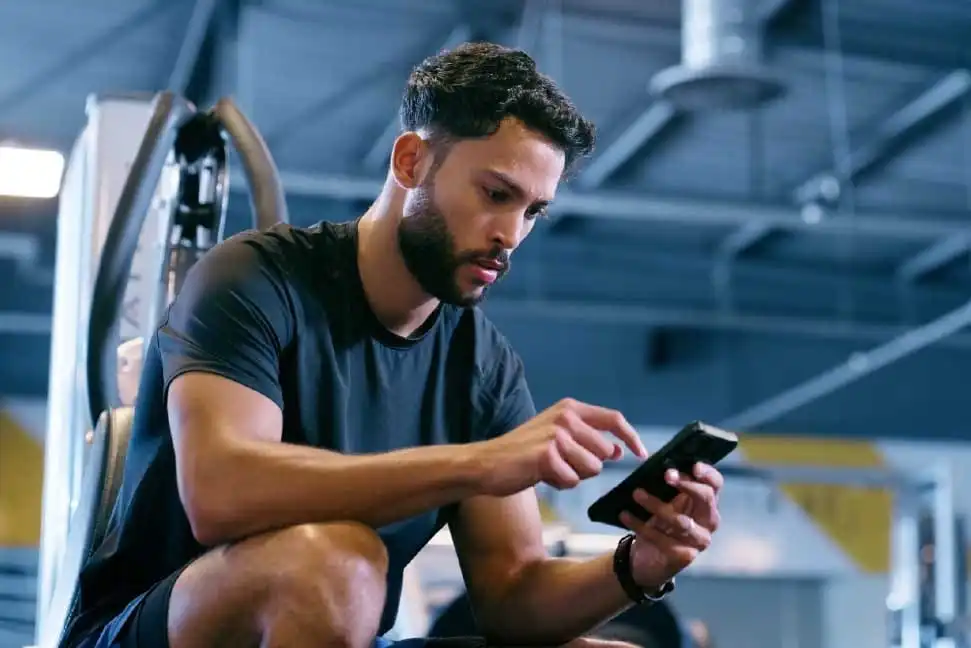
A gym trial should not be judged only by how the facility looks. The real question is whether the gym helps you train effectively and consistently. Using fitness apps and wearables during a free gym in singapore trial can help you measure effort, heart rate, workout duration, recovery and overall experience more clearly.
Technology does not make the decision for you, but it gives useful feedback. Combined with your personal feeling of comfort, motivation and convenience, digital tracking can help you choose a gym more intelligently.
Why Data Helps During a Trial
Many people judge a workout by sweat or soreness. These are not always reliable signs of quality.
A fitness app or smartwatch can show heart rate, workout time, calories estimate, steps and recovery trends. These numbers help you understand how your body responded to the session.
For example, a class may feel fun but still give a strong cardio response. Or a workout may feel intense because you were tired, not because it was well-structured.
Tracking Heart Rate
Heart rate is one of the most useful metrics during a gym trial. It helps show whether you worked at light, moderate or vigorous intensity.
If you attend a cardio class, heart rate can show how challenging the session was. If you do strength training, heart rate may be less central, but it still shows effort and recovery between sets.
This information helps you judge whether the gym offers workouts that match your fitness goals.
Measuring Workout Duration and Consistency Fit
Apps can track how long you actually trained. This helps you understand whether the gym fits your schedule.
For example, if the full visit takes too long because of travel, waiting time or crowding, the membership may not be practical. If the session fits smoothly into your day, it may be easier to repeat.
Consistency is one of the biggest measures of gym value.
Using Apps to Compare Training Options
If the gym offers different options, you can compare them. A strength session, cycling class, trampoline class or treadmill workout may produce different effort levels.
Tracking helps you see what feels enjoyable and effective. This can guide your future routine if you decide to join.
The best workout is not always the one with the highest calorie estimate. It is the one that supports your goals and can be repeated.
Watching Recovery After the Trial
Some wearables track recovery, sleep and resting heart rate. These can help you understand how your body responds after the trial.
If a workout leaves you feeling energised and recovered, that is a good sign. If you feel excessively sore or drained, the intensity may need adjustment.
Recovery matters because a sustainable gym routine should improve your life, not exhaust you.
Avoiding Overfocus on Calories
Calorie numbers are estimates. They should not be the only reason to choose a gym.
A gym trial should also be judged by coaching quality, cleanliness, atmosphere, equipment, convenience and how motivated you feel to return.
Technology adds insight, but personal experience still matters.
Creating a First-Month Plan With App Support
If the trial goes well, apps can help you plan the first month. You can set workout reminders, track attendance and monitor weekly activity.
This turns the trial into a starting point for habit building. Instead of joining and guessing, you begin with a measurable routine.
Digital tools are most useful when they support action.
Real-Life FAQs
Q. Should I wear a smartwatch during a gym trial?
Ans. It can be useful if you want to track heart rate, effort and workout duration.
Q. Are calorie readings important?
Ans. They are only estimates. Use them as one small part of your decision, not the main factor.
Q. What should I track during a trial?
Ans. Track workout duration, heart rate, recovery, comfort, crowd levels and whether the gym fits your schedule.
